
Caring for and Cleaning Salem's Historic Homes: A Local Guide
· By Vaneide da Silva
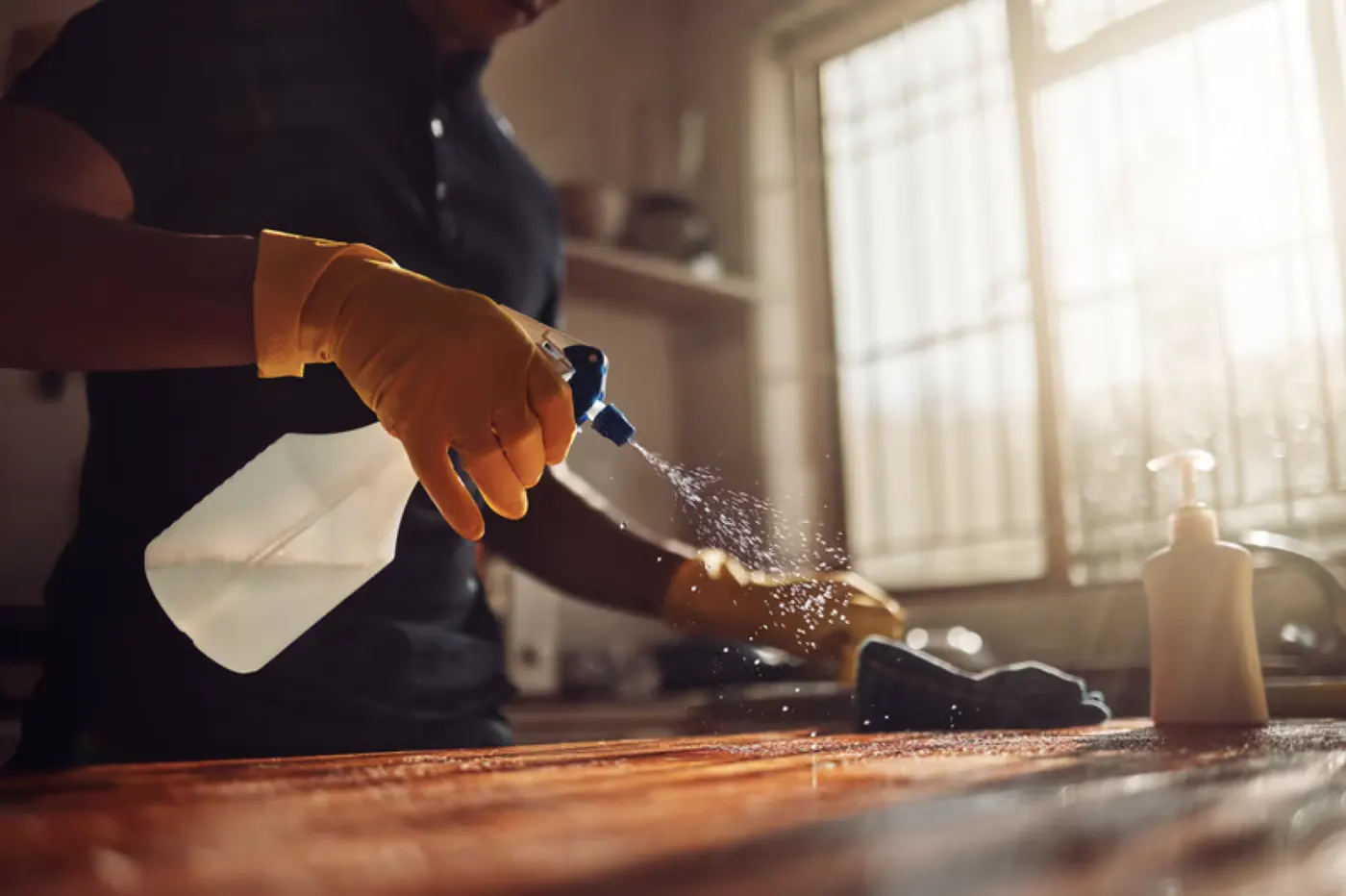
Living in a historic home in Salem is a little different from living anywhere else on the North Shore. Walk through Downtown Salem, the McIntire Historic District, or the streets near Salem Common and you see Federal-style and Victorian houses that have stood for well over a century. That character is the whole reason people fall in love with these homes, and it is also the reason cleaning them takes a gentler hand than a newer build off Route 114.
At Vany Cleaning, we are locally owned and have spent 7 years cleaning homes across Salem, Peabody, and the wider North Shore, so we have learned what these older houses need and what quietly damages them. This guide walks through the parts of a historic Salem home that call for extra care, with practical tips you can use whether you clean yourself or bring in help.
Original Hardwood: Go Gentle, Skip the Soak
The original hardwood in a lot of Salem homes near Gallows Hill and The Point is decades old, and the finish on it is often thinner and more fragile than the tough polyurethane you find in a new construction. Standing water is the enemy here. Wet mopping, steam mops, and puddles left in the corners can seep into the seams between boards, swell the wood, and lift an old finish. For daily care, dry dust or vacuum with a soft floor head first, then use a barely damp microfiber and dry the floor right after.
Skip the all-purpose sprays and anything with vinegar or ammonia on aged wood, because acidic cleaners can dull and etch an old finish over time. A pH-neutral wood cleaner used sparingly is much safer. If a floor already looks tired or worn through in the traffic paths, that is a refinishing conversation, not a cleaning one, and it is worth talking to a local wood specialist before you scrub harder and make it worse.
Painted and Stained Woodwork, Old Plaster, and Delicate Finishes
The trim, banisters, and built-ins in these homes are a big part of their charm, and the McIntire Historic District is literally named for the woodwork that made Salem famous. Painted woodwork can hold generations of paint layers, and older paint may be soft or flaking, so aggressive scrubbing lifts more than dust. The safe move is a soft dry cloth or a well-wrung damp one, working gently and testing a hidden spot first. On stained and varnished woodwork, keep moisture light and always dry as you go so water does not sit in the grooves of the detailing.
Old plaster walls need the same restraint. Plaster is more porous and more brittle than modern drywall, so heavy water and hard pressure can leave marks or worsen a hairline crack. Dust cornices and picture rails with a soft brush or a dry duster, and spot-clean only when you have to, using a lightly damp cloth rather than a soaked one. When a finish is truly delicate, less product and less water almost always wins.
Radiators, Older Tile, and the Details People Forget
Cast iron radiators are everywhere in these North Shore houses, and they collect a surprising amount of dust in the fins, especially before heating season kicks in. A vacuum with a crevice tool plus a long slim duster gets down between the sections, and doing it before you run the heat means you are not baking that dust into the room air all winter. Wipe the exterior with a barely damp cloth and dry it, and never let water pool around the valves.
Older tile and grout, whether it is a vintage bathroom or an original entry, tends to be softer and more absorbent than modern tile, and harsh acidic or bleach-heavy cleaners can eat away at old grout and dull the glaze. A mild cleaner, a soft brush, and a little patience protect it. The same gentle-first thinking applies to the details people rush past: window sashes, wavy old glass, brass and iron hardware, and pocket door tracks all last longer when they are dusted regularly instead of deep-scrubbed once in a panic.
A Local Cleaning Rhythm That Protects the House
The best way to care for a historic Salem home is a steady, gentle routine rather than occasional heavy cleaning that fights built-up grime with harsh methods. Regular light dusting and vacuuming keep abrasive dirt off the floors and out of the woodwork, which is exactly what protects original finishes over the long run. Salem's coastal North Shore air also carries a bit more humidity, so good airflow and quick drying after any wet cleaning help keep old wood and plaster happy through the seasons.
This is the kind of work we do every week for families near Salem State University, around Salem Common, and throughout the North Shore. We are detail-oriented and careful by habit, we adjust our approach to what each home actually needs, and we would rather protect an original feature than risk it. If you want a hand building a routine that respects your home's age, Vany Cleaning offers a free, no-pressure estimate. Call or text us at (978) 871-0803 and we will walk through your home and what it needs.
Frequently asked questions
- Is steam mopping safe for the original hardwood in my Salem home?
- Generally no. Steam and standing water can work into the seams of old boards and lift an aged finish. Dust or vacuum first, then use a barely damp microfiber and dry the floor right away.
- What should I avoid using on painted woodwork and old plaster?
- Avoid heavy water, hard scrubbing, and harsh acidic cleaners. Old paint can be soft or flaking and plaster is brittle, so a soft dry or well-wrung damp cloth, tested in a hidden spot first, is the safe choice.
- How much does cleaning a historic home in Salem cost?
- It depends on the size of the home, its condition, and how often you want service, so pricing varies by house. The honest answer is to get a quick look in person. Vany Cleaning gives a free estimate at (978) 871-0803.
Related services
Serving
Ready for an exact price?
Get a free, no-pressure in-home estimate. Real numbers for your home, not a phone guess.